Why Your Hair Feels Different as You Get Older (and How to Address It)

Vibrant, glossy hair is more than a look—it’s a signature. Just like healthy skin, your hair is a core part of your identity and one of the first things that people notice. However, as years go by, it’s no surprise that many of us experience subtle (and not‑so‑subtle) changes in our hair texture and shine.
Ageing hair isn’t a problem to solve; it’s a routine to evolve. Today, we will explore what happens to hair as we age, why these changes occur, and what you can do to keep your hair looking and feeling its best.
What Happens to Our Hair as We Age?
Just like your skin and body experience ageing, your hair goes through a natural evolution over time, and you can tell by the loss of pigmentation and elasticity. There are a lot of causes: hormonal changes, genetics, or natural shifts in cell function. They all affect how your hair looks and feels over time.
1. Chemical and Structural Changes
As you get older, hair follicles may produce less sebum (natural oil), leading to drier strands and a rougher feel. This natural drop in scalp oils means your hair loses its built-in lubrication.
2. Thinning and Reduced Growth
Your hair tends to grow more slowly, and the diameter of each strand may shrink as you age. This contributes to the appearance of thinner hair.
3. Texture and Curl Shifts
Many people notice their curls loosen or that their straight hair feels frizzier over time. So, can your hair type change as you get older? In many cases, yes, hormonal changes (especially during menopause) can affect texture.
Why Hair Becomes Greyer, Thinner, or Less Lustrous
Colour and structure both fade with time. As melanin production slows, strands lose their pigment and turn grey. Simultaneously, the breakdown of keratin—your hair’s structural protein—saps its strength, leaving it thinner, weaker, and prone to frizz.
This is also why many people experience hair loss and age‑related thinning. While not everyone will go bald, variations in density are common and largely tied to ageing processes. Unfortunately, this is a natural process that can’t be stopped; however, it can be slowed down with the right use of anti-ageing products and an oil-infused routine.
How to Keep Your Hair Looking Youthful
While you can’t stop ageing, there are ways to manage the changes and make your hair look and feel healthier:
Choosing Colours That Make You Look Younger
One of the easiest ways to refresh your look is with the right colour. Choose:
-
Warm tones like honey, caramel, and soft auburn can add warmth and counteract dullness.
-
Subtle highlights can create dimension and reflect light to make hair appear fuller.
-
Avoid overly dark shades near the face; they can accentuate fine lines and greying.
Anti-Ageing Hair Products That Really Help
Updating your routine with anti-ageing products designed for mature hair can make a big difference. Look for:
Hydrating Shampoos and Conditioners
Rich in natural oils and moisture‑boosting ingredients, anti-ageing shampoo can help combat dryness, a key part of how your hair changes as you age.
Scalp and Follicle Boosters
Products that support scalp health can improve circulation and create a more nurturing environment for growth, helping counter the effects of age on hair growth.
Strengthening Treatments
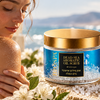
Keratin and protein treatments, like a mineral hair mask, will help fortify fragile strands, addressing why hair changes with age at the structural level.
Supporting Hair Health from Within
While topical treatments are essential, the “raw materials” for healthy hair come from your diet. As we age, our bodies may become less efficient at absorbing the vitamins and minerals necessary for keratin production and follicle health. To support your hair’s vitality, focus on these three pillars:
-
Protein Intake: Since hair is primarily made of the protein keratin, ensuring you get enough lean protein (like eggs, fish, and legumes) is vital for maintaining strand strength.
-
Essential Fatty Acids: Omega-3s found in walnuts, flaxseeds, and salmon help lubricate the hair from the inside out, combatting the dryness that often comes with a maturing scalp.
-
Targeted Antioxidants: Vitamins C and E help protect hair follicles from oxidative stress—damage caused by environmental pollutants and UV rays that can accelerate the ageing process and lead to premature thinning.
Start Embracing Your Hair Today
From texture shifts to colour changes, what happens to hair as we age is a natural, biological process, but it doesn’t mean you can’t adapt beautifully. With the right colour choices, products, and styling strategy, you can embrace every phase with confidence and flair.
Curious about the best anti-ageing hair products for your hair type? Jericho experts can help tailor recommendations; just reach out today! Or shop online for the best anti-ageing hair products.
)