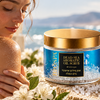
Why Does My Skin Look Dull? The Causes You Might Be Missing

You know those mornings when your skin looks as though it's had a particularly exhausting week, even though you haven't? Your complexion seems a little flat, your usual glow has disappeared and, for reasons you can't quite explain, your makeup doesn't sit as nicely as it used to.
You might have slept perfectly well. You're using a good moisturiser. You've even invested in a vitamin C serum because everyone keeps telling you it's the secret to radiant skin. And yet, the mirror isn't particularly impressed. Dull skin is one of those beauty concerns that's surprisingly difficult to pin down. Unlike a breakout or a dry patch, there's no obvious culprit. Your face simply looks less fresh than you'd like.
The instinctive response is usually to exfoliate. Perhaps book a facial. Buy another brightening serum. Try that mask everyone's talking about. But dull skin isn't always a sign that you need to remove something. Sometimes it's a sign that your skin needs something back. And once you understand what's making your complexion look tired, bringing back that healthy-looking glow becomes considerably easier.
What Does Dull Skin Actually Mean?
Here's something worth knowing: dull skin isn't a medical diagnosis. It's a description of how your complexion looks. Healthy-looking skin reflects light relatively evenly. When the surface is smooth and adequately hydrated, light bounces off it in a way that creates the appearance of freshness and luminosity. When the surface becomes rough, flaky or dehydrated, light scatters differently. Instead of that soft, natural glow, the complexion can look uneven, ashy, greyish or simply a little lifeless.
Uneven pigmentation, lingering post-breakout marks and changes in skin texture can contribute too. So while we often talk about dullness as though it's one problem, it can actually have several different causes. And that matters, because a facial peel won't necessarily solve dehydration, just as a rich moisturiser won't completely address uneven pigmentation. The trick is working out what your skin is trying to tell you.
Your Skin Might Be Holding On to Too Many Dead Cells
Let's begin with the most familiar explanation. Our skin naturally sheds cells from its outermost layer. It's an ongoing process that helps maintain the surface, even if we don't particularly notice it happening. But sometimes dead skin cells accumulate, making the complexion feel rough and look less luminous.
You might notice that your foundation catches on certain areas, your cheeks feel slightly textured or your face looks dull despite being freshly washed. This is where exfoliation can make a visible difference. By helping remove excess surface cells, a suitable exfoliating product can leave skin feeling smoother and looking brighter. The effect can be particularly noticeable when rough texture is the main reason your complexion has lost its glow.
But not all exfoliation needs to involve gritty particles or an aggressive acid treatment. Some of the most enjoyable options are gentle, non-abrasive peeling formulas. The Jericho Skincare Pomegranate Facial Peel is one worth knowing about. Its gel-like formula forms soft particles as you massage it over dry skin, helping lift surface build-up without relying on a traditional grainy scrub. It also contains pomegranate, green tea, aloe vera and glycerin—ingredients chosen for their antioxidant and skin-conditioning properties. The result is that lovely, freshly exfoliated feeling: softer skin, a smoother surface and a complexion that appears a little more awake.

There's one small point worth remembering, though. The particles that form during a peeling-gel treatment aren't necessarily made entirely of dead skin cells. They're also part of how the formula behaves when massaged. So don't judge an exfoliator by how much product rolls off your face.
Judge it by how your skin feels afterwards. And resist the temptation to use it every day simply because you enjoy the results. For the Jericho Pomegranate Facial Peel, the recommended frequency is once or twice a week. Sometimes restraint is the best beauty treatment.
Or Perhaps You're Exfoliating Too Much
This is the less glamorous side of our obsession with glowing skin. A little exfoliation can improve the appearance of dullness. Too much can leave your skin looking worse. If you're combining a cleansing brush, exfoliating toner, retinol, facial scrub and an occasional peel, your skin may be receiving rather more attention than it needs.
Instead of becoming beautifully polished, it can start to feel tight, look irritated or develop patches of roughness. Some people describe their skin as looking strangely shiny yet dehydrated—a surface that reflects light but doesn't actually feel healthy or comfortable. That's not necessarily a sign that the exfoliation is working. It may be a sign that your skin barrier is struggling.
When the outer protective layer becomes irritated, the skin can lose water more readily and become more reactive to products that previously felt perfectly fine. The answer isn't another exfoliating treatment. It's often a gentler cleanser, a dependable moisturiser and a temporary reduction in strong actives. If your skin stings when you apply an ordinary cream, that's a good reason to simplify your routine. Glow should never require discomfort.
Dehydration Can Make Your Face Look Tired Almost Overnight
There's a reason makeup artists pay so much attention to hydration before applying foundation. Well-hydrated skin tends to look smoother and more supple. Fine dehydration lines are less noticeable, and makeup often sits more evenly. When the skin's outer layers lack water, the complexion can appear flat and textured, even if you don't have obvious dry patches. And here's the surprising part: oily skin can be dehydrated too.
You might have a shiny forehead and still experience tightness around your cheeks. You might use a lightweight gel moisturiser every morning and discover that your face feels uncomfortable by mid-afternoon. Hydration and oil production are two different things.
Ingredients such as glycerin and hyaluronic acid help attract and retain water in the skin's outer layers. But if your skin is dry or its barrier is compromised, it may also need emollient ingredients to keep it feeling comfortable. That's why a hydrating serum and a moisturiser can work so well together.

One helps increase hydration. The other can provide additional softness and reduce moisture loss, depending on its formulation. For skin that feels dry as well as dull, the Bio Marine Natural Collagen Day Cream offers an interesting combination. Its formula includes glycerin, sodium hyaluronate, squalane, jojoba oil, olive oil, sweet almond oil and shea butter.
Rather than relying on a single fashionable ingredient, it brings together humectants and emollients that help skin feel hydrated and comfortable. And sometimes that's exactly what a tired-looking complexion needs. Not another active. Just a little more moisture.
That Vitamin C Serum Might Need More Time
Vitamin C has earned its place in the skincare conversation. Depending on the form, concentration and formulation, topical vitamin C can provide antioxidant support and help improve the appearance of uneven skin tone over time. It's particularly interesting for people concerned about dullness associated with sun exposure, pigmentation or lingering marks after breakouts.
But vitamin C isn't an instant facial filter. If your skin looks dull because of uneven pigmentation, visible improvement generally takes consistent use over weeks or months, not three mornings and an optimistic glance in the mirror. And not all vitamin C products are the same. You'll find L-ascorbic acid, 3-O-ethyl ascorbic acid, ascorbyl glucoside and several oil-soluble derivatives in cosmetic formulations. They differ in stability, formulation requirements and the amount of direct clinical evidence supporting their effects.
The most expensive serum isn't necessarily the best one for your skin. Neither is the strongest. A formula that you can use consistently without irritation is often a much more sensible choice than a highly concentrated product that leaves your face feeling uncomfortable. And if pigmentation is your main concern, there's one step that matters enormously: sunscreen.
A brightening serum can only do so much if your skin is repeatedly exposed to ultraviolet radiation without adequate protection. In Australia and New Zealand, where UV exposure can be significant, daily broad-spectrum SPF 50 or SPF 50+ is a particularly important part of a pigmentation-conscious skincare routine. Vitamin C may be a useful addition. Sunscreen is the non-negotiable.
Your Face Mask Might Be Solving the Wrong Problem
There's something wonderfully appealing about a face mask. It feels deliberate. Indulgent. Like you've decided to take your skin seriously for twenty minutes. But not every mask is designed to do the same thing. A clay or mud mask is often a good choice when the skin feels oily or congested. It can help absorb excess surface oil and leave the complexion feeling cleaner and smoother. A hydrating cream mask, on the other hand, may be more suitable when skin feels dry, tight or uncomfortable.

And a nourishing mask can be particularly enjoyable when your skin needs softness rather than another round of deep cleansing. If your face looks dull because of excess oil and surface build-up, the Bio Spa Pure Mud Charcoal Mask is a relevant option. Its formula combines Dead Sea mineral mud, kaolin and charcoal powder with ingredients including glycerin and olive oil. It's designed for skin that tends towards oiliness or congestion, rather than very dry or reactive skin.
But if your complexion is already dehydrated, reaching for an absorbent mud mask every few days may not be the answer. You might get a better result from something that focuses on moisturisation. The question isn't whether face masks work. It's whether you're using the right kind of mask for the condition of your skin. And please don't assume a mask needs to dry until your face feels completely immobile to be effective. Your skin isn't supposed to resemble cracked plaster.
The Moisturiser You've Loved for Years Might No Longer Be Enough
Skincare loyalty is a lovely thing, until your skin changes and your products don't. A moisturiser that felt perfect at 28 may not provide the same comfort at 45. The lightweight cream you loved in January might feel hopelessly inadequate during a Melbourne winter. Skin changes with age, hormones, weather, medication and lifestyle.
As we get older, changes in the skin's structure, lipid composition and moisture retention can influence how smooth and comfortable it feels. That doesn't mean everyone suddenly needs a heavy anti-ageing cream. But it does mean your moisturiser deserves an occasional reassessment. If your face feels tight an hour after applying cream, or makeup consistently clings to dry areas, your current formula may not be providing enough support.
Look for a combination of humectants and emollients rather than focusing on one headline ingredient. Glycerin, hyaluronic acid, squalane, ceramides, shea butter and suitable botanical oils can all play useful roles, depending on the formulation and your skin type. A good moisturiser shouldn't merely disappear into your skin and leave you wondering whether you applied anything.
It should leave your complexion feeling comfortable. That may sound less exciting than a promise to reverse ten years of ageing. But comfort is an underrated luxury.
Your Skin Might Be Congested, Not Dry
Dullness doesn't always come with flakiness. Sometimes the complexion looks uneven because of excess oil, visible pores and a build-up of surface impurities. This can be particularly noticeable around the nose, chin and forehead, where congestion tends to develop. If that's familiar, adding richer creams may not be the most useful first step.
A gentle cleanser, suitable moisturiser and occasional clarifying treatment may be more appropriate. This is where a Dead Sea mud mask can earn its place in the routine. Mineral mud and clay-based formulas can help absorb excess oil and improve the appearance of the skin's surface. They won't permanently shrink pores or remove every blackhead, but they can leave the complexion looking fresher.
For oily or combination skin, that's often a more relevant kind of glow than the intensely glossy finish promoted on social media. Healthy-looking skin doesn't have to shine. Sometimes it simply looks clear, balanced and comfortable.
Sun Exposure Can Leave Skin Looking Uneven Long After Summer
A holiday tan may seem like a shortcut to a glowing complexion, but repeated UV exposure can gradually contribute to the very concerns we're trying to correct. Uneven pigmentation, dark spots, rough texture and changes in skin elasticity can all make the complexion appear less luminous over time. And these changes don't necessarily arrive all at once.
They can accumulate gradually, until one day you notice that your skin tone looks less even than it used to. This is why a brightening routine should always begin with sun protection. Vitamin C and other well-formulated brightening ingredients may help improve the appearance of uneven tone, but preventing additional UV damage is essential. For persistent pigmentation, ingredients such as retinoids, azelaic acid and niacinamide may also be worth discussing with a skincare professional, depending on the cause and your skin's tolerance.
Not every dark patch is ordinary sun pigmentation, either. If a spot is new, changing, bleeding or otherwise unusual, have it assessed by a healthcare professional rather than trying to fade it with skincare. And if your complexion is looking dull after a summer spent outdoors, don't assume you need a stronger peel. Sometimes the most useful thing you can do is become more consistent with sunscreen.
Stress, Sleep and the Things Your Serum Can't Fix
We tend to blame our skincare products when our face looks tired. Occasionally, the explanation is rather more obvious. Poor sleep, prolonged stress, illness and changes in everyday habits can affect how we feel and how our skin appears. A late night might leave your eyes puffy and your complexion less fresh. A particularly stressful week may coincide with breakouts or changes in skin sensitivity.
But the relationship isn't as simple as sleeping eight hours and waking up with perfect skin. Skin appearance is influenced by many factors, including genetics, hormones, age, environment and underlying health. There's also no need to interpret every dull morning as evidence that your body is somehow full of toxins. Your skin doesn't need a detox. It needs appropriate care.
If your complexion has become noticeably pale, yellowish or unusually grey, particularly alongside fatigue or other symptoms, don't assume it's a cosmetic issue. Persistent or sudden changes in skin colour deserve medical attention. For ordinary dullness, though, the basics remain surprisingly effective: adequate sleep, sensible sun protection, gentle cleansing and a routine your skin tolerates. None of them comes in a particularly glamorous bottle. Unfortunately.
So, What Actually Makes Skin Glow?
The answer depends on what's missing. If the skin's surface is rough because of accumulated dead cells, appropriate exfoliation can improve its appearance. If it's dehydrated, humectants and moisturisers can help restore a smoother, more supple look. If uneven pigmentation is making the complexion appear dull, consistent sun protection and suitable brightening ingredients may gradually improve skin tone.
If excess oil and congestion are the main issues, a clarifying mask may be useful. And if your skin is irritated from too many products, the best treatment might be fewer products.
There's no universal glow routine, because there's no universal reason for dullness. Which is why copying someone else's ten-step skincare ritual is rarely the shortcut it appears to be. Your skin may need something entirely different.
A Simple Routine for Dull, Tired-Looking Skin
If you're not sure where to begin, keep things uncomplicated for a few weeks and pay attention to how your skin responds.
In the morning, cleanse gently if needed, apply a suitable antioxidant or hydrating serum, follow with moisturiser and finish with broad-spectrum sunscreen. If you're concerned about uneven skin tone, vitamin C may be worth considering. If dehydration is the more obvious issue, prioritise a hydrating formula instead.
In the evening, remove makeup and sunscreen thoroughly without stripping the skin. Follow with your chosen serum or treatment and a moisturiser that leaves your face feeling comfortable.
Once or twice a week, you might incorporate a gentle exfoliating peel if your skin tolerates it and the product directions recommend that frequency.
A mask can be an enjoyable extra, but choose it according to your skin's condition. Oily and congested? Consider a mud or charcoal mask. Dry and tight? A hydrating or nourishing mask is likely to make more sense.
Avoid stacking several exfoliating treatments on the same evening, particularly if you're also using retinoids. And give your routine enough time. Hydration can improve the appearance of skin relatively quickly. Uneven pigmentation and longer-term texture concerns generally take more patience. There's no need to change everything at once.
The Jericho Skincare Edit: What to Reach for When Your Skin Looks Dull
A well-chosen skincare routine doesn't need to include every product promising radiance. These are three different approaches worth considering, depending on what's making your complexion look tired.
For rough texture and surface build-up: Jericho Skincare Pomegranate Facial Peel
A non-abrasive peeling gel with pomegranate, green tea, aloe vera and glycerin. Particularly relevant when your skin feels rough and looks less luminous because of surface build-up. Use according to the product directions rather than treating it as a daily cleanser.
For oily, congested-looking skin: Bio Spa Pure Mud Charcoal Mask
Combines Dead Sea mud, kaolin and charcoal in a clarifying mask designed to absorb excess oil and leave the skin feeling refreshed. Best considered when congestion is part of the problem, not when your skin is already irritated or very dry.
For dryness and a lack of suppleness: Bio Marine Natural Collagen Day Cream

A moisturising formula combining sodium hyaluronate and glycerin with conditioning ingredients including squalane, jojoba oil, olive oil and shea butter. A useful option when your skin needs comfort and moisture rather than more exfoliation.
The point isn't to use all three. It's to understand which one addresses the reason your skin looks dull in the first place.
A Few Questions About Dull Skin
Why does my skin look dull even though I moisturise every day?
Your moisturiser may not be the problem. Dullness can also be caused by accumulated dead skin cells, uneven pigmentation, congestion or changes in skin texture. If your skin still feels tight, however, it may be worth reviewing whether your moisturiser provides enough hydration and emollient care.
How can I make my face look brighter naturally?
Start with gentle cleansing, consistent moisturising and daily sun protection. If your skin tolerates exfoliation, an occasional facial peel may help smooth rough surface texture. Adequate sleep and avoiding unnecessary irritation can also support a fresher appearance.
Does exfoliating make dull skin brighter?
It can, particularly when dead skin cell build-up is contributing to roughness and uneven light reflection. But excessive exfoliation can irritate the skin barrier and make the complexion look worse.
Is vitamin C good for dull skin?
Vitamin C can be useful when uneven skin tone and environmental exposure contribute to dullness. The results depend on the formulation and consistent use, and improvements in pigmentation generally take time.
Which face mask is best for dull skin?
It depends on the cause. A mud or charcoal mask may suit oily, congested skin, while a hydrating mask may be more appropriate for dry or dehydrated skin. The word brightening on the packaging doesn't tell you whether a mask is right for your complexion.
Can dehydrated skin look dull?
Absolutely. Dehydration can make the skin's surface appear less smooth and accentuate fine lines, contributing to a tired-looking complexion. Hydrating ingredients and an appropriate moisturiser can help improve its appearance.
Why does my skin look dull as I get older?
Age-related changes in skin structure, moisture retention, pigmentation and surface texture can all influence radiance. A routine that includes moisturisation, sun protection and appropriately chosen treatments may help maintain a smoother, fresher appearance.
How long does it take to improve dull skin?
It depends on the cause. Hydration may improve the appearance of skin relatively quickly, while pigmentation and more persistent texture concerns can take weeks or months of consistent care. If your skin is irritated, allowing the barrier to recover may be more important than adding brightening products.
Maybe Your Skin Doesn't Need Another Miracle Product
There's something reassuring about the idea that dull skin has a simple solution. One serum, one facial, one new ingredient and suddenly everything looks better. Sometimes a good exfoliating treatment really does make an immediate difference. But often, the most useful improvements are less dramatic.
A moisturiser that suits your skin now, rather than the skin you had five years ago. A gentler approach to exfoliation. A face mask chosen for your actual skin type. A vitamin C serum used consistently rather than abandoned after a week.
And sunscreen. Always sunscreen.
At Jericho Skincare Australia, our collection of Dead Sea mineral skincare, botanical facial peels, masks, serums and moisturisers offers different ways to care for skin that feels dry, looks tired or has lost some of its natural luminosity. Because the goal isn't to make your face look permanently glossy. It's to help your skin look like itself on a really good day.