
Is Your Screen Time Ageing Your Skin?
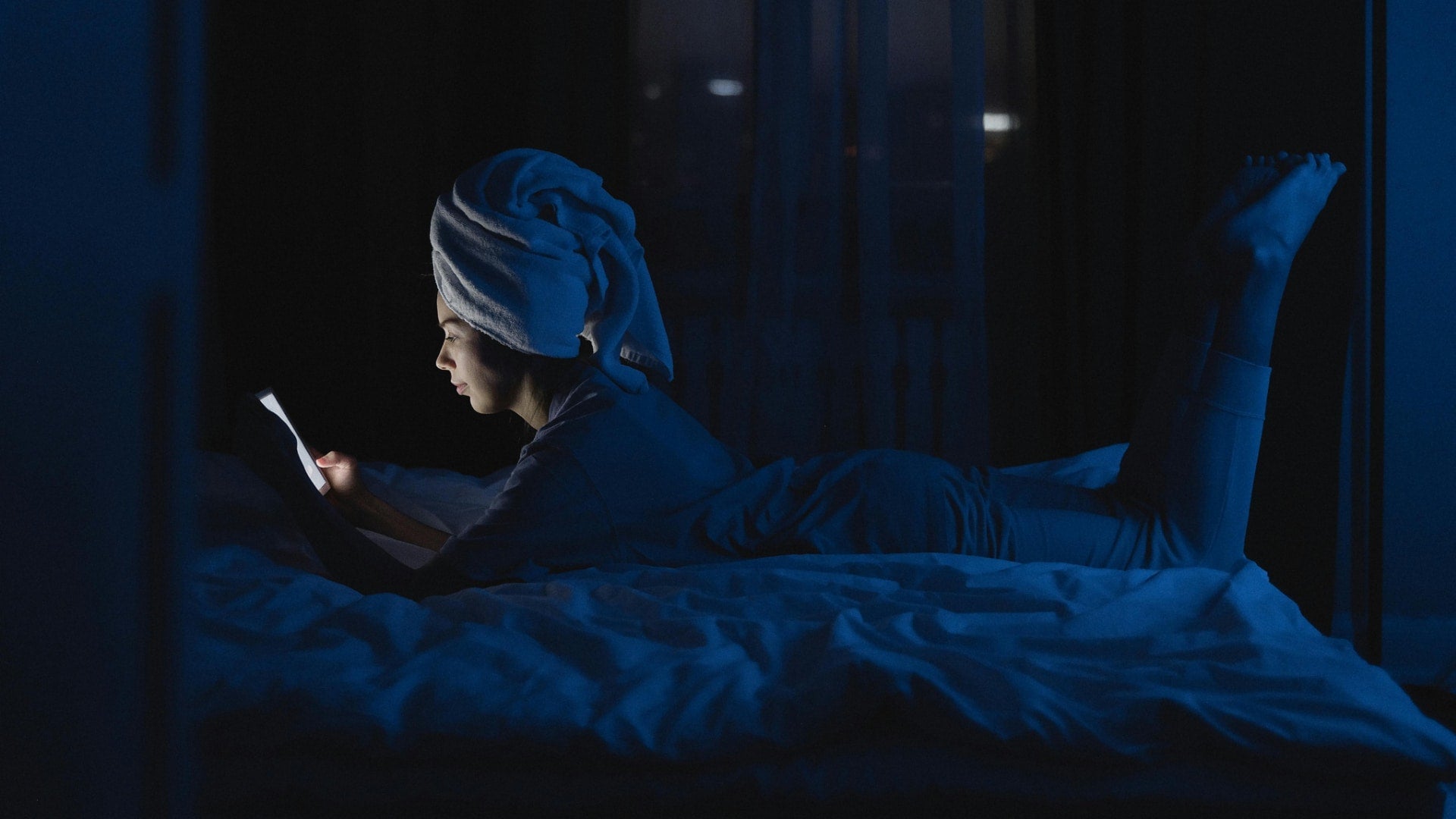
Screens are part of daily life now. Answering work calls, reading messages, watching your favourite TV shows, and scrolling at night. Most of the time, you don’t even notice how long you have been looking at one; we bet you are doing that right now.
For this reason, a lot of individuals begin to wonder things like, “Is screen time bad for the skin?” and think about whether exposure to computer screens causes skin damage inevitably or whether screens age their skin. A growing concern over modern digital habits has surfaced.
However, the answer is not a straight yes or no. That’s because extended screen time doesn’t solely affect us through light exposure; it also causes less blinking, more squinting, and sustained facial tension. Over time, these factors contribute to dryness, fine lines, and the overall appearance of the skin.
The blue light from our screens does not overshadow established ageing factors such as UV exposure, smoking, or lack of sleep. It does, however, contribute to oxidative stress when the skin is already under strain.
So, does screen time age your skin? Possibly—but rarely from a single source. Skin ageing builds gradually, shaped by habits repeated day after day. Once you pay attention to how your routine affects your skin, it becomes easier to support it in ways that hold up long-term.
What is Blue Light and How Can It Affect You?
Blue light sits within high-energy visible light. Sunlight contains it, so yes, even our phones and laptops, which we use to work or study, release it. Even indoor lighting contributes (yes, your vanity mirrors have it as well), so exposure itself is not really new to us.
What has changed is how often it happens.
When people talk about skin and blue light, they are usually referring to long stretches of exposure without much recovery time. Research links extended exposure to oxidative stress, which often shows up as dullness or uneven tone. So, can blue light affect your skin? In some situations, yes—especially when rest, hydration, and skincare fall out of routine.
It is also very important to note that screen light remains weaker than UV rays from the sun, so consistent care is really where it is at. Skin responds better to steady hydration and barrier support. That is why conversations around blue light being bad for your skin often come back to daily skincare habits rather than screen avoidance.
For further reading, the Australian Radiation Protection and Nuclear Safety Agency provides useful context on blue light exposure.
How Antioxidants and Natural Skincare Support the Skin
What’s one of the most effective ways to support skin exposed to environmental stress? By strengthening the skin barrier itself. This is where antioxidants matter most, as they act as the skin’s frontline defence. They neutralise free radicals and support repair and rejuvenation processes within the skin. With consistent use, skin retains hydration better and feels more stable from one day to the next.
Jericho Skincare works with Dead Sea minerals, vitamins, peptides, and botanical extracts. These ingredients support hydration and help maintain balance, which becomes important during long, screen-heavy days linked to blue light and skin ageing.
A routine does not need many steps. It often includes:
-
A mineral-based day cream for hydration and barrier support
-
An antioxidant serum, such as Vitamin C, for daily defence
-
A Dead Sea mud mask once a week for a reset and clarity
Here are a few options from Jericho Skincare that blend naturally into everyday routines:
-
Jericho Dead Sea Moisturiser – a deeply hydrating cream rich in minerals that supports moisture retention and barrier repair.
-
Antioxidant Defence Serum – formulated with plant-derived antioxidants to support brightness and counter oxidative stress.
-
Revitalising Dead Sea Mask – a weekly treatment that refines texture and removes buildup linked to fatigue and exposure.
These products support lifestyle choices and help skin stay resilient throughout the day, especially when thinking about blue light protection in a more practical sense. You may also find Jericho’s guide on incorporating Dead Sea masks helpful.

Simple Ways to Reduce Screen-Related Skin Stress
Small changes tend to work better than dramatic ones. You can just tweak some of your daily routines and be more worry-free:
-
Step away from your screen when you just woke up to release facial tension.
-
Use night mode or blue-light filters after dark.
-
Drink water regularly; H₂O is your skin’s best friend.
-
Apply antioxidant skincare morning and evening, and be consistent with it.
Instead of wondering whether there’s skin damage from computer skin, it helps to look at patterns. Sleep. Nutrition. Hydration. Care that supports your skin rather than working against it.
Final Thoughts: Should You Be Worried About Your Skin Getting Damaged Through Your Phone Screens?
The idea that screen time alone will age and damage your skin is too simple. While blue light does interact with skin in measurable ways, it remains just one factor among many that include sun exposure, sleep quality, and lifestyle patterns.
Understanding how everyday habits connect to skin health and choosing products that support long-term protection, such as those enriched with Dead Sea minerals and antioxidants from Jericho Skincare, helps you focus on what you can control.
The next time you catch yourself scrolling a little too long, think less about skincare with blue light protection and more about habits that help your skin stay steady over time.