Why Is My Skin So Dry Even When I Moisturise? 8 Reasons Your Skin Still Feels Tight

You moisturise in the morning. Again at night. There may be a hydrating serum underneath, perhaps an oil on top. And yet, an hour later, your skin is back to feeling tight.

It’s one of skincare’s more frustrating questions: why is my skin so dry even when I moisturise?
The obvious answer is that your moisturiser isn’t rich enough. Sometimes that’s exactly the problem. Quite often, though, it isn’t. Dry, tight skin can have more to do with the way you cleanse, the condition of your skin barrier, over-exfoliation, the weather, or simply using the wrong kind of hydration for what your skin actually needs.
Before you buy an even heavier cream, it’s worth working out what your skin has been trying to tell you.
First, Is Your Skin Dry or Dehydrated?
Beauty tends to use dry and dehydrated as though they mean the same thing. They don’t. Dry skin generally lacks oil. Dehydrated skin lacks water.
Dry skin is usually a skin type. It naturally produces less sebum and may feel rough, tight or flaky. Dehydration is a temporary condition, which means almost any skin type can experience it, including oily skin. That explains the slightly confusing situation where your forehead looks shiny while your cheeks somehow feel tight. Dehydrated skin can also look dull, show fine dehydration lines more noticeably and simply feel uncomfortable.
And yes, you can be dry and dehydrated at the same time. Skin likes to keep things interesting. The distinction matters because adding more oil to dehydrated skin may not solve the problem, just as layering watery serum after watery serum may not be enough for genuinely dry skin.
1. Your Cleanser May Be Undoing All That Moisturising
If your face feels tight the moment you finish washing it, pay attention. That squeaky-clean feeling has somehow become shorthand for a successful cleanse, but skin shouldn’t feel as though it has shrunk half a size after meeting water.

Cleansing needs to remove makeup, sunscreen, excess sebum, sweat and everyday debris. What it doesn’t need to do is strip away so much surface oil that your moisturiser spends the next few hours trying to repair the damage. If this happens morning and night, you end up in a rather pointless cycle: cleanse until tight, moisturise until comfortable, repeat.
A good cleanser should leave skin feeling clean, not desperate for cream. For persistently dry skin, switching to gentler cleansing can make a surprisingly noticeable difference. Some people may not even need a full cleanse in the morning; depending on the skin and the rest of the routine, lukewarm water may be enough. Sometimes the first step towards better moisturised skin isn’t adding something. It’s removing what’s drying it out.
2. Your Moisturiser May Hydrate Beautifully and Then Disappear
Here’s where a little skincare terminology is actually useful. Most good moisturising formulas rely on a combination of ingredients doing different jobs. Humectants, such as glycerin and hyaluronic acid, help attract and retain water. Emollients, including many oils and fatty ingredients, soften and smooth the skin. Occlusive ingredients help slow water loss by creating a more protective layer at the surface.
Dry skin often wants a little of everything. A lightweight gel cream can feel glorious when it goes on, but if your skin feels tight again an hour later, the formula may simply not be substantial enough for you, particularly in colder, drier weather. That doesn’t mean the richest cream on the shelf automatically wins.

A better test is wonderfully simple: how does your skin feel two or three hours after you apply it? Soft and comfortable? Excellent. Already asking for another layer? You may need something with more staying power.
3. You’re Expecting Hyaluronic Acid to Do Everything
Hyaluronic acid deserves much of its popularity. It’s an excellent humectant and can help skin feel hydrated, smoother and temporarily plumper. But it isn’t an entire skincare routine. This is where things often go wrong. You apply a beautiful hyaluronic acid serum, enjoy that fresh, dewy finish and assume hydration has been dealt with. For dry skin, it usually hasn’t.
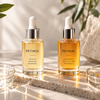
Think of a hydrating serum and moisturiser as two products doing related but different jobs. The serum gives you lightweight hydration and targeted ingredients; the moisturiser brings the emollient, softening and moisture-retaining part of the equation.
At Jericho Skincare Australia, this is how we prefer to think about serums and moisturisers—not as competing steps, but as layers that can complement each other when your skin needs both. Your skin, incidentally, doesn’t care which product got top billing.
4. You’re Exfoliating the Dryness Away—and Creating More Dryness
Flaky skin practically begs to be exfoliated. You run your fingers over the rough texture and think, I just need to get rid of this. So you scrub. It feels smoother. Two days later, it’s flaky again. You exfoliate again. Eventually, even your moisturiser starts to sting.
This is where a perfectly reasonable skincare habit can quietly become the problem. Exfoliation can improve rough surface texture, but too much of it can irritate the skin and interfere with its protective barrier.
And physical scrubs aren’t the only suspects. Glycolic acid, lactic acid, salicylic acid, exfoliating toners, peels and retinoids can all contribute when you use too many, too frequently or in combinations your skin doesn’t particularly appreciate.
An acid toner in the morning. Retinol at night. Peel on Sunday. Exfoliating mask because your skin looks dull. Suddenly your face has a full-time job. If your skin has become unusually dry, tight, flaky, red or sensitive, consider reducing the actives before buying another serum designed to compensate for them. Sometimes dry skin doesn’t need another treatment. It needs a holiday.
5. Your Skin Barrier May Be Asking for Help
The skin barrier has become one of beauty’s favourite phrases, but behind all the marketing is something genuinely important. The outermost layer of the skin helps hold water in while protecting us from the outside environment. When that barrier isn’t functioning as well as it should, moisture can escape more readily, and skin may become dry, rough, tight or unexpectedly reactive. Suddenly, the cleanser you’ve used for years stings. Your favourite serum feels uncomfortable. Even washing your face leaves it tight.

Over-cleansing, excessive exfoliation, harsh products, environmental exposure and an overly ambitious collection of active ingredients can all contribute. This is not the moment for a more elaborate routine. Simplify.
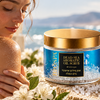
A well-formulated mineral moisturiser can fit beautifully here. Dead Sea minerals are often incorporated alongside humectants, emollients, botanical oils and other skin-conditioning ingredients to create formulas that leave dry skin feeling softer and more comfortable. The important phrase is well formulated. Minerals are part of the formula. They don’t replace it.
6. You’re Waiting Too Long to Moisturise
Possibly the easiest change in this entire article: stop wandering around for twenty minutes after your shower before remembering the body cream. Moisturiser can be applied while skin is still slightly damp after washing. Not soaking wet. Just not completely dried out.
This is particularly useful for the body. Lightly pat yourself dry, then apply your body cream while there’s still some moisture at the skin’s surface. And consistency wins here.
An ordinary moisturiser applied regularly will generally do more for chronically dry shins than an extraordinarily luxurious cream remembered once every second Sunday. Not glamorous. Very effective.
7. Your Skincare Hasn’t Changed. Your Environment Has.
There comes a point every Melbourne winter when the combination of cold air, indoor heating and very hot showers begins to show up on your skin. Suddenly, the moisturiser that worked perfectly well a few months ago feels rather underqualified. Summer has its own version: air conditioning, swimming, more frequent showers and increased sun exposure.
Skin doesn’t exist in a climate-controlled beauty laboratory. It responds to what’s happening around it. You may need a richer cream during colder months, perhaps with a hydrating serum underneath. Your lightweight body lotion may need to become a more substantial body cream. In warmer weather, you may happily switch back. Your wardrobe changes with the seasons. Your moisturiser can too.
8. You’re Moisturising Your Face and Forgetting Everything Below It

Dry skin doesn’t stop at the jawline. In fact, some of the most stubbornly dry skin lives on the legs, arms, hands, elbows, knees and feet—areas subjected to showers, shaving, clothing friction, repeated washing and weather, yet frequently rewarded with whatever moisturiser happens to remain on our palms after we finish our face.
If your body feels tight after showering, don’t immediately reach for a stronger scrub. It may simply need more consistent moisturising. A rich body cream applied regularly after bathing can make a substantial difference to how dry skin feels. Gentle exfoliation can help rough areas feel smoother, but exfoliation should support your moisturising routine, not substitute for it.
This is where Dead Sea body care can be beautifully uncomplicated. A comfortable shower. An occasional mineral salt scrub if your skin enjoys it. A Dead Sea body cream afterwards. Done. Your knees do not require a twelve-step routine.
So, Where Do Dead Sea Minerals Fit In?
Dead Sea minerals have been associated with skincare for generations, but there’s a more interesting story here than simply saying minerals are good for your skin. Dead Sea water has an unusual mineral composition and is particularly rich in magnesium salts. Research involving bathing in magnesium-rich Dead Sea salt solutions has found improvements in measures including skin hydration and barrier function under specific study conditions.
That doesn’t mean every moisturiser containing Dead Sea minerals will produce the same result, and it certainly doesn’t turn mineral skincare into a treatment for medical skin conditions. What it does give us is a credible reason to be interested in Dead Sea minerals as part of a thoughtfully formulated skincare routine. For dry skin, though, always look beyond the hero ingredient.
A Dead Sea moisturiser still needs a formula that makes sense for dry skin - humectants, emollients, oils and other skin-conditioning ingredients depending on the product. The same applies to mineral serums and body creams. The Dead Sea story may bring you to the product. The formulation should be the reason you keep using it.
Your Shower Could Be Part of the Problem
There are few pleasures greater than an extremely hot shower when you’re freezing. Your dry skin may disagree. Long, very hot showers can leave already-dry skin feeling tighter, especially when they’re paired with strong cleansers. You don’t need to start taking freezing showers in the name of beauty. This isn’t a wellness challenge.
Just turn the temperature down a little. Keep the shower comfortably warm, avoid lingering unnecessarily and moisturise afterwards. Your skin isn’t asking you to suffer.
And What About Dead Sea Salt Baths?
Dead Sea salt baths can be a lovely part of a body-care ritual, and research into magnesium-rich Dead Sea salt bathing makes them particularly interesting. But a little nuance is required. Salt is still salt.

If skin is cracked, extremely irritated or actively inflamed, concentrated salt water may sting. And spending half an hour in a very hot bath before forgetting to moisturise isn't necessarily the recipe for soft skin we would like it to be.
If your skin tolerates mineral bathing, follow the product directions, keep the water comfortably warm and apply a body moisturiser afterwards. The bath is the ritual. The cream finishes the job.
When Dry Skin Is More Than Dry Skin
Most everyday dryness can be improved by changing a few surprisingly ordinary things: gentler cleansing, less enthusiastic exfoliation, a better-suited moisturiser and a little more consistency. Persistent or severe dryness is different.
If your skin is intensely itchy, cracked, bleeding, inflamed, suddenly much drier than usual or simply not improving despite sensible skincare, speak with a doctor or dermatologist. Conditions including eczema and psoriasis can cause significant dryness and need appropriate assessment and care. Medications, hormonal changes and other health conditions can affect the skin too. Skincare is wonderful at skincare. It shouldn’t be expected to diagnose everything happening in the body.
The Simple Routine for Skin That Never Feels Hydrated Enough
If your bathroom cabinet is currently overflowing with products promising deep hydration, intense hydration, 24-hour hydration and several other varieties of hydration, resist buying another one for a moment. Simplify first.
Morning: gentle cleanse if needed → hydrating serum → moisturiser → sunscreen
Evening: gentle cleanse → hydrating serum if desired → moisturiser
Body: gentle shower → body cream while skin is still slightly damp
If your skin tolerates exfoliation, add it occasionally rather than automatically. Then give the routine some time. More importantly, notice how your skin feels throughout the day. A moisturiser that creates a magnificent glow for five minutes isn't necessarily the one keeping your skin comfortable six hours later.
How to Choose a Moisturiser When Your Skin Is Very Dry
Ignore the adjectives on the jar for a moment. Intense. Ultra. Advanced. Deep. 24-hour. Rich. They're marketing words. Sometimes they sit on excellent products, but they don’t tell you whether your particular skin will like what’s inside.
Very dry skin often appreciates a combination of humectants, emollients and moisture-retaining ingredients. If you dislike heavy textures during the day, use something lighter and save the richer cream for evening. A hydrating serum underneath can add another layer without making the routine feel overly heavy.
If your skin is both dry and sensitive, simpler can be better. More botanical extracts, more fragrance and more active ingredients do not automatically equal more effective skincare. Sometimes an uncomplicated moisturiser is exactly what your skin wanted all along.
Eight Clues Your Routine Needs a Rethink
Your skin feels tight immediately after cleansing. Your moisturiser feels lovely at first, but the tightness quickly returns. You’re getting more flaky despite exfoliating more often. Products you previously tolerated have started to sting. Your face looks oily but feels tight underneath. Your legs become dry almost as soon as you step out of the shower. You own several hydrating serums but barely use moisturiser. Or you keep adding products without considering whether something already in the routine is causing the problem.
If several sound familiar, another serum probably isn’t your first move. Look at the routine as a whole. Skin doesn’t experience your products individually. It experiences everything you do to it.
Frequently Asked Questions
Why is my skin so dry even when I moisturise?
Your moisturiser may not be the problem—or at least not the whole problem. Over-cleansing, excessive exfoliation, dry weather, very hot showers, skin-barrier disruption or a moisturiser that doesn’t provide enough emollient or moisture-retaining support can all leave skin feeling dry despite regular moisturising.
Why does my skin still feel tight after moisturising?
If tightness returns soon after applying moisturiser, the formula may be too lightweight for your skin, or another part of your routine may be contributing to irritation or moisture loss.
Can oily skin be dehydrated?
Yes. Oily skin can still lack water, leaving it shiny at the surface while simultaneously feeling tight or uncomfortable.
Should I use a serum or moisturiser for dry skin?
You don't necessarily have to choose. A hydrating serum can provide lightweight hydration and targeted ingredients, while moisturiser helps soften the skin and reduce moisture loss.
Is hyaluronic acid enough for dry skin?
Not always. Hyaluronic acid is a useful humectant, but genuinely dry skin often benefits from a moisturiser containing additional emollient and moisture-retaining ingredients.
Are Dead Sea minerals good for dry skin?
Research into magnesium-rich Dead Sea salt bathing has shown interesting effects on hydration and skin-barrier measurements under specific study conditions. When choosing cosmetic skincare, however, the complete formulation matters—not simply the presence of Dead Sea minerals.
Should I exfoliate dry, flaky skin?
Occasional gentle exfoliation can make rough surface skin feel smoother, but excessive exfoliation may worsen dryness and irritation. If your skin is red, stinging or unusually sensitive, reducing exfoliation may be the better move.
Why are my legs so dry after showering?
Hot water, strong cleansers and skipping moisturiser afterwards can all contribute. Try comfortably warm water, gentler cleansing and body cream shortly after showering.
Is body cream better than body lotion for very dry skin?
Richer creams can feel more satisfying on very dry skin because they often provide a more substantial emollient layer. But formulation matters more than whether the packaging says cream or lotion.
How often should I moisturise dry skin?
Daily is a sensible starting point, while particularly dry areas may benefit from moisturising more than once a day. Regular application tends to matter more than using a huge amount occasionally.
When should I see a dermatologist about dry skin?
Seek professional advice if dryness is severe, persistent, intensely itchy, cracked, bleeding, inflamed, suddenly different from usual or isn't improving with sensible skincare.
Maybe Your Skin Doesn’t Need More Moisturiser. It Needs a Better Routine.
When skin feels persistently dry, the instinct is understandable. More cream. Then a richer cream. Then a hydrating serum. Perhaps an oil for good measure. Before long, the bathroom shelf looks beautifully moisturised while your face still feels tight. Because dry skin is rarely about one product in isolation.
How you cleanse matters. How often you exfoliate matters. Weather matters. Your skin barrier matters. The difference between adding hydration and keeping it there matters. And consistency matters—annoyingly—because consistency is nowhere near as exciting as discovering a new serum.
At Jericho Skincare Australia, Dead Sea mineral moisturisers, hydrating serums and rich body creams can form part of that bigger picture, helping care for dry, dehydrated and tight-feeling skin from the face all the way down to those routinely neglected elbows, legs and feet.
Start gently. Hydrate. Moisturise. Stop exfoliating everything in sight. Then give your skin a little time. t may have been asking for less drama all along.