Protein vs Moisture: How to Know What Your Hair Truly Needs
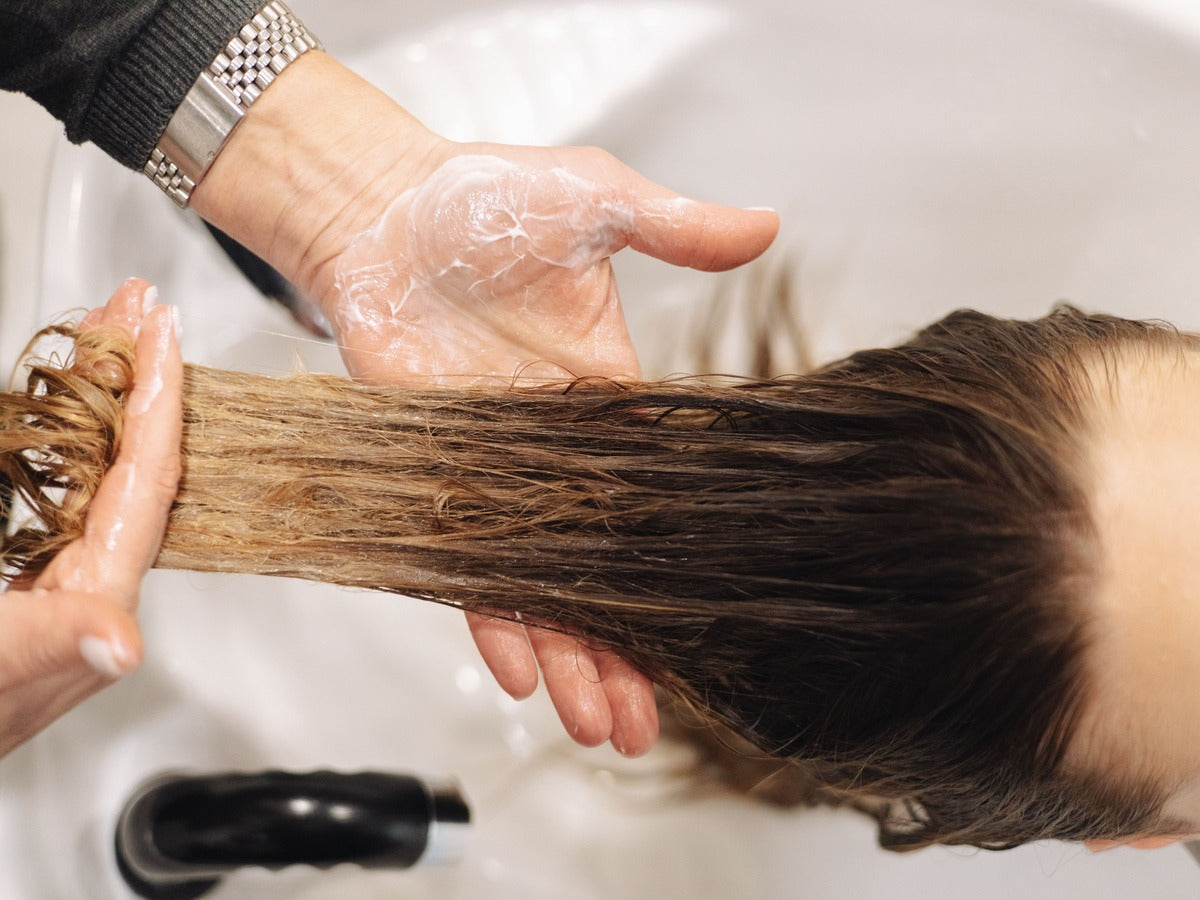
If you have spent any time trying to improve your hair, then you’ve probably come across the protein-versus-moisture conversation.
The problem is that most people assume they need more of one without actually knowing what their hair is missing. Dry hair gets treated with oils. Breakage gets treated with protein. Frizz gets blamed on dehydration. Yes, sometimes those solutions work, yet other times, they make things worse.
Part of the confusion comes from the fact that hair that needs protein and hair that needs moisture can look surprisingly similar. Both can appear dull, rough, frizzy, or difficult to style. So before adding another treatment to your routine, it helps to understand what your hair is actually telling you. Let’s get into all the information you need so you can start with the right hair care routine.
Why Hair Needs Both Protein and Moisture
Healthy hair relies on a balance of both.
Protein helps maintain the structure of the strand. Hair is largely made up of keratin, a fibrous structural protein that gives hair strength, elasticity, and resilience. Moisture plays a different role. It helps hair stay soft, flexible, and manageable.
When the balance shifts too far in either direction, that’s when problems tend to show up. Most hair concerns are not caused by a complete lack of protein or moisture. More often, one side simply needs a little more attention than the other.
How to Tell if Your Hair Needs Protein
Hair that needs protein often feels weaker than it used to.
You may notice that it struggles to hold a style, loses its natural bounce, or feels overly stretchy when wet. Some people describe it as hair that feels soft but somehow fragile at the same time.
A few common signs include:
-
Hair stretches excessively before breaking.
-
Increased breakage when brushing or styling.
-
Limp or flat-looking hair.
-
Loss of curl definition.
-
Strands that feel weak despite regular conditioning.
This often happens after colouring, bleaching, chemical treatments, or repeated heat styling. Over time, those processes can weaken the hair’s structure and leave it needing reinforcement.
When that happens, protein-based treatments can help restore strength.
Products such as the REDEFINE Keratin Leave-In Hair Mask use keratin to help strengthen the hair fibre while smoothing the cuticle, which can reduce frizz and improve shine without leaving heavy residue behind.
For hair that needs a more intensive treatment, the Bio Spa Keratin & Macadamia Oil Hair Mask combines strengthening keratin with nourishing macadamia oil. Keratin helps reinforce weakened strands and reduce breakage. Macadamia oil provides hydration and improves elasticity, helping hair feel stronger without becoming stiff or brittle. This combination makes it particularly useful for hair that feels both damaged and depleted.
If you would like to understand more about how keratin treatments work, our guide on keratin hair mask benefits explores the topic in greater detail.
How to Tell if Your Hair Needs Moisture
Dry hair tends to be easier to recognise.
It often feels rough when you run your fingers through it. It tangles more easily than normal and can look frizzy even on days when the weather is behaving itself.
Hair that needs moisture commonly shows signs such as:
-
Persistent dryness
-
A rough or coarse texture
-
Lack of shine
-
Frizz that worsens throughout the day
-
Frequent tangling and knotting
Many people ask whether dry hair needs protein or moisture. In most situations, genuine dryness points towards a moisture deficiency first.
Hydrating ingredients such as argan oil, flaxseed oil, jojoba oil, coconut oil, and mineral-rich treatments can help restore softness while improving manageability.
Products like the REDEFINE Argan & Flax Moisturising Hair Cream use argan oil and flaxseed oil to deeply moisturise dry strands while helping tame frizz and improve softness. It works across different hair types and is particularly helpful for hair that feels rough, lacks shine, or struggles to retain moisture throughout the day.
For curly and wavy hair, the REDEFINE Curly Hair Moisturiser Cream provides hydration while helping define natural texture. Infused with jojoba and coconut oil, it helps soften curls, improve bounce, and reduce dryness without leaving curls feeling greasy or heavy.
The Mon Platin DSM Mineral Hair Mask offers another approach to moisture restoration. Formulated with Dead Sea minerals, it is designed to replenish moisture lost through colouring, bleaching, heat styling, and environmental exposure.
A Simple Hair Protein or Moisture Test
One of the easiest ways to get a rough idea of what your hair needs is through a strand test.
Take a clean strand of damp hair and gently stretch it. The results will either be:
-
If it stretches a long way before eventually snapping, your hair may be lacking protein.
-
If it snaps almost immediately with very little stretch, a lack of moisture could be the bigger issue.
This hair protein or moisture test is not a perfect diagnosis, but it can provide useful clues when combined with the overall condition of your hair.
It is also worth considering what your hair has been through recently. Hair that has been coloured, bleached, or chemically processed often benefits from protein support, while hair exposed to frequent washing, heat styling, or harsh weather conditions may need more hydration.
What About Coconut Oil?
This question comes up surprisingly often.
Many people assume coconut oil is a protein treatment because it helps strengthen hair over time. In reality, coconut oil is not a protein.
What makes it valuable is its ability to help reduce protein loss from the hair shaft while supporting moisture retention. That is why it appears so frequently in products designed for dry, curly, or dehydrated hair.
So if you have been wondering whether coconut oil belongs in the protein or moisture category, it sits much closer to the moisture side.
Finding the Right Protein and Moisture Balance
Can you have too much of the “good thing"? The answer is… Absolutely.
Hair overloaded with protein often feels stiff and brittle. It may lose softness and become more prone to snapping.
Too much moisture creates a different problem. Hair can start feeling limp, overly stretchy, and difficult to style. Some people describe it as hair that feels soft but somehow never looks healthy.
Neither extreme is ideal.
The healthiest hair routines are rarely built around one type of treatment forever. What your hair needs in summer may differ from what it needs after a colouring appointment or during winter. Paying attention to those changes is often more effective than following a routine year-round.
Why Balance Matters More Than Choosing One
The healthiest routines usually include both strengthening and hydrating products.
Colour-treated hair may need regular keratin support alongside moisture-rich treatments. Curly hair often thrives on consistent hydration with occasional protein reinforcement. Heat-damaged hair may require a combination of both.
At Jericho Skincare, our haircare collection includes products designed to support both sides of the equation, helping you adjust your routine based on what your hair actually needs.
For more everyday haircare advice, our guide to healthy hair at home covers simple habits that can help keep your hair looking and feeling its best.
Giving Your Hair What It Needs Right Now
The answer is rarely protein forever or moisture forever.
Most of the time, it comes down to paying attention to your hair’s condition and responding accordingly. Small adjustments can make a noticeable difference to strength, softness, shine, and overall manageability.
If you’re looking to build a routine that supports healthier hair long term, visit Jericho Skincare to find products suited to your hair’s current needs.