Dead Sea Mud Mask Benefits: What Does It Actually Do for Your Skin?
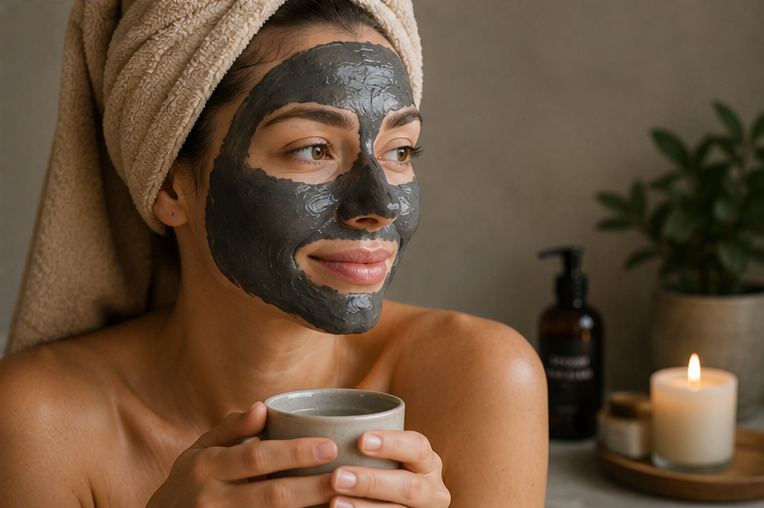
There is something wonderfully dramatic about a Dead Sea mud mask. You put it on looking perfectly normal. Ten minutes later, you're staring back at a slightly prehistoric version of yourself in the bathroom mirror. But once you get past the entertainment value, there is a genuine question: What does a Dead Sea mud mask actually do for your skin?
Is it really different from an ordinary clay mask? Does it "pull toxins" from your pores? Is it good for oily skin? Can dry or sensitive skin use it? And do all those famous Dead Sea minerals actually make a difference?
The short answer is that Dead Sea mud masks can be useful for absorbing excess surface oil, cleansing the skin and leaving it feeling smoother, fresher and more refined. Natural Dead Sea mud also contains a distinctive mixture of minerals, and research suggests that Dead Sea mud can be well tolerated when used appropriately.
But some of the more dramatic claims you see online? Those need a little reality check. So let's separate what a Dead Sea mud mask can genuinely do from what belongs in skincare mythology.
What Is Dead Sea Mud?

Dead Sea mud is mineral-rich sediment collected from the Dead Sea region. The Dead Sea itself is famous for its unusually high concentration of dissolved salts and minerals, and the mud found along its shores contains a complex mixture of mineral components. Depending on its origin and processing, Dead Sea mud may contain minerals and mineral compounds associated with:
- Magnesium
- Calcium
- Potassium
- Sodium
- Bromides
This mineral composition is one of the things that distinguishes genuine Dead Sea mud from the standard cosmetic clays you'll find in many facial masks.
But here's something important:
A Dead Sea mud mask isn't simply a bowl of minerals.
When you buy a cosmetic Dead Sea mud mask, the complete formula matters. It may also contain ingredients such as:
- Glycerin
- Aloe vera
- Botanical extracts
- Natural oils
- Humectants
- Emollients
- Vitamins
- Other clays or cleansing ingredients
Those additional ingredients can dramatically affect how the mask feels and performs. In fact, research comparing different Dead Sea mud preparations found that formulation influenced their moisturising effects. So when you're choosing a mask, don't look only for the words Dead Sea Mud on the front. Look at the whole product.
What Does a Dead Sea Mud Mask Do?
The simplest explanation is: A Dead Sea mud mask acts as a mineral-rich cleansing treatment that can absorb excess surface oils and impurities while helping the skin feel smoother and thoroughly cleansed.
Depending on the formulation, it may also leave skin feeling softer and more comfortable after rinsing. That makes mud masks particularly attractive when your skin feels:
- Oily
- Congested
- Rough
- Dull
- Heavy with excess sebum
- In need of a deeper-feeling cleanse
But let's look at the individual Dead Sea mud mask benefits more closely.
1. Dead Sea Mud Helps Deep-Clean the Skin
This is probably the reason most people use a mud mask. During the day, your skin accumulates a mixture of:
- Sebum
- Sweat
- Sunscreen
- Makeup residue
- Environmental debris
Your everyday cleanser should remove most of that. But occasionally, you may want something that leaves the skin feeling more thoroughly cleansed. That's where a mud mask comes in.
As the mud sits on the skin, it can absorb surface oils and interact with debris on the skin's surface. When you rinse it away, skin often feels noticeably cleaner and fresher. Not "detoxified." We'll come back to that particular word. Just really clean. And sometimes that's exactly what you want.
2. It Can Help Absorb Excess Oil
If your forehead begins developing its own reflective properties by lunchtime, you'll probably understand the appeal of a mud mask immediately. Mud and clay-based masks are particularly popular with oily and combination skin because of their ability to absorb excess surface oil.

That can temporarily leave the complexion looking less shiny, fresher, more balanced, more refined.
The key word is temporarily. A mud mask isn't going to permanently switch off your sebaceous glands. And you don't want it to. Sebum is part of your skin's natural protective system. The goal isn't to eliminate oil completely. It's to manage excess oil without leaving your face feeling like the Sahara.
3. Dead Sea Mud Can Leave Skin Feeling Smoother
This is one of those benefits you often notice immediately. After rinsing away a mud mask, run your fingers across your skin. It may feel noticeably smoother. Part of that comes from removing excess surface oil and debris. Applying the mask and gently rinsing it away can also help loosen dead surface skin cells. The result?
Skin that can feel cleaner, softer and more polished.
That smoother surface can also make your complexion appear fresher and more radiant. Sometimes "glowing skin" isn't about adding something. It's about removing the dull layer sitting on top.
4. It May Improve the Appearance of Congested Skin
Let's be careful with this one. A Dead Sea mud mask isn't an acne treatment. But oily, congested skin can often benefit from products that help manage excess sebum and surface buildup.
A mud mask can therefore be a useful supporting step in a skincare routine for skin that tends to feel clogged or congested. It may be particularly useful around areas such as:
- Nose
- Chin
- Forehead
- T-zone
This is also why you don't necessarily need to apply your mud mask everywhere. If your cheeks are dry but your T-zone becomes oily, try multi-masking. Apply mud only where you actually need the deeper cleanse. Your face doesn't have to be treated as one identical piece of skin.
5. Dead Sea Mud Contains Naturally Occurring Minerals
This is where a Dead Sea mud mask becomes more interesting than an ordinary cleansing mask. Dead Sea mud is naturally mineral-rich. And there is genuine scientific interest in Dead Sea minerals and their interaction with skin.
Research on magnesium-rich Dead Sea salt solutions, for example, has found improvements in skin hydration and measures of skin barrier function under specific experimental conditions.
Studies specifically examining Dead Sea mud have also looked at its effects on skin barrier properties and tolerance. That doesn't mean every mineral travels through your skin and transforms it from the inside out. And it certainly doesn't mean every Dead Sea cosmetic will reproduce the results of bathing studies.
What it does mean is that the mineral composition of the Dead Sea isn't simply a marketing invention. It's a genuinely unusual natural environment, and its mineral-rich water and mud have been studied for decades.
6. Research Suggests Dead Sea Mud Can Be Well Tolerated
This is one of the more interesting findings because it directly concerns Dead Sea mud rather than Dead Sea water. In a controlled study involving 75 healthy female volunteers, researchers examined the effects of a single 30-minute application of different types of Dead Sea mud.
The mud preparations were well tolerated, did not negatively affect measured skin barrier integrity and produced short-lived moisturising effects, particularly when humectant ingredients were included in the formula. That last point is important. The formulation mattered.
Another four-week study investigated different Dead Sea mud preparations applied every other day. Researchers again found no evidence that the treatments compromised skin barrier integrity, although hydration effects differed between formulations.
In other words: Dead Sea mud itself is interesting. But a thoughtfully formulated Dead Sea mud mask can be more important than mud alone.
7. A Mud Mask Can Make Pores Look Less Noticeable
Let's clear up another skincare myth. You cannot open and close your pores. Pores aren't tiny doors. But when pores contain excess oil and debris, they can become more noticeable. Removing some of that surface buildup can make the skin appear cleaner and more refined.
So if you rinse off your Dead Sea mud mask and think: "My pores look smaller!"
You're not necessarily imagining it. They're not physically closing. They're simply looking less obvious because the surrounding skin is cleaner and less oily.
8. It Can Give Dull Skin a Quick Refresh
You know those days when your skin isn't technically doing anything wrong... but it just looks tired? A mud mask can be a lovely reset. Removing surface oil, buildup and dead skin can leave the complexion looking:
-
Cleaner
-
Fresher
-
Smoother
-
More even
-
More radiant
It won't change your skin overnight. But cosmetically? The difference can be surprisingly satisfying. Which is probably why mud masks have remained popular, even as skincare trends have come and gone.
Does Dead Sea Mud "Detox" Your Skin?
Here's where we need to ruin one of skincare's favourite words. Your mud mask isn't pulling mysterious toxins out through your pores. Your body already has sophisticated systems—including the liver and kidneys—for dealing with waste substances.
When skincare brands talk about a "detoxifying mask," what they usually mean in practical cosmetic terms is:
-
Absorbing excess oil
-
Removing surface impurities
-
Helping cleanse congested-feeling skin
-
Leaving the complexion feeling refreshed
Those are perfectly useful benefits. We don't need to invent toxins to make them sound impressive. So if you see a Dead Sea mud mask marketed as detoxifying, think: deep-cleansing and oil-absorbing. Much more realistic.
Is Dead Sea Mud Antibacterial?
There's an interesting piece of research here.
A laboratory study examining Dead Sea black mineral mud found antimicrobial activity against certain microorganisms under experimental conditions. But, and this is a significant but, a laboratory antimicrobial result doesn't automatically make a cosmetic Dead Sea mud mask an acne treatment.
That's an important distinction. Acne is a complex skin condition involving multiple factors, including sebum production, follicular blockage, inflammation and microorganisms. If you have persistent or severe acne, use evidence-based acne treatments and seek professional advice where necessary.
A Dead Sea mud mask can still be a nice cleansing addition for oily or congestion-prone skin. Just don't ask your face mask to do the job of a dermatologist.
Dead Sea Mud Mask vs Clay Mask: What's the Difference?
They look similar. They feel similar. But they're not necessarily the same thing.
Traditional clay masks
Common cosmetic clays include:
- Kaolin
- Bentonite
- Illite
- French green clay
They're primarily valued for their absorbent properties and are particularly popular in oily-skin formulas.
Dead Sea mud masks
Genuine Dead Sea mud is naturally occurring, mineral-rich sediment from the Dead Sea region. It provides the cleansing and oil-absorbing experience associated with mud masks while bringing its distinctive mineral composition.
Some cosmetic formulas combine Dead Sea mud + cosmetic clays, giving you the properties of both.
So which is better?
Neither automatically wins. If your priority is simply maximum oil absorption, a strong clay mask may be exactly what you want. If you enjoy mineral skincare and want the characteristic Dead Sea mud experience, choose a genuine Dead Sea mud formulation. Your skin gets the final vote.
Is Dead Sea Mud Good for Oily Skin?
This is probably the easiest match. Yes, Dead Sea mud masks can be particularly useful for oily and combination skin. They can help absorb excess surface sebum and give oily areas that thoroughly cleansed feeling.
If your skin is very oily, you might use a mud mask once or twice a week depending on the product instructions and how your skin responds. But don't fall into the trap of thinking: oily skin + more mud = better skin. Over-cleansing can leave your skin dry and irritated.
A good oily-skin routine still needs: Cleanser → targeted treatment if needed → moisturiser → sunscreen with your mud mask used as an occasional extra.
Is Dead Sea Mud Good for Dry Skin?
Potentially—but choose carefully. This is where formulation matters most. Pure mud and strongly absorbent clay formulas may leave already-dry skin feeling tight. But a cosmetic Dead Sea mud mask formulated with ingredients such as:
- Glycerin
- Aloe vera
- Natural oils
- Humectants
- Emollients
may feel considerably more comfortable. Remember that research into Dead Sea mud found different hydration effects depending on the formulation. So if your skin is dry: don't shop for the strongest mask. Shop for the most appropriate mask. And always moisturise afterwards.
Can Sensitive Skin Use a Dead Sea Mud Mask?
Maybe. Sensitive skin isn't one single skin type, so there isn't a universal answer. If your skin is easily reactive:
- Choose a gentle formulation
- Follow the recommended application time
- Don't let the mask sit on your face for half the evening
- Avoid combining it with aggressive exfoliation
- Patch test first if you're unsure
And if your skin is currently red, peeling, burning or reacting to everything? That's probably not mud-mask night. Give it a break.
Can You Use a Dead Sea Mud Mask on Acne-Prone Skin?
If your skin is oily and congestion-prone, a mud mask may be useful for helping remove excess surface oil and leaving the skin feeling deeply cleansed. But again: Dead Sea mud masks are cosmetic skincare products, not acne medicines. If you're already using ingredients such as:
-
Salicylic acid
-
Retinoids
-
Benzoyl peroxide
-
Prescription acne treatments
be cautious about adding strongly drying treatments on top. Sometimes acne-prone skin needs less aggression, not more.
How Often Should You Use a Dead Sea Mud Mask?
For most people, a mud mask is an occasional treatment, not an everyday skincare step. A common routine might be: Once a week or perhaps 1–2 times weekly for oilier skin, if the product directions allow and your skin tolerates it well. Dry or sensitive skin may need it less frequently.
There's no skincare prize for maximum mud usage. If your skin starts feeling:
- Tight
- Dry
- Flaky
- Irritated
- Sensitive use it less often.
Your skin is giving you feedback. Listen to it.
How Long Should You Leave a Dead Sea Mud Mask On?
Always follow the instructions for your particular product. More time doesn't necessarily mean more benefit. One of the most common mud-mask mistakes is waiting until the mask becomes completely dry, cracked and uncomfortable because somebody once said that's how you know it's "working."
You don't need to wait until you can't move your eyebrows. If the product says 10 minutes, use it for 10 minutes. Your face mask isn't a endurance challenge.
How to Use a Dead Sea Mud Mask Properly
Here's the easy version.
Step 1: Cleanse
Start with clean skin. Remove makeup, sunscreen and surface debris before applying your mask.
Step 2: Apply an even layer
You don't need half the jar. Apply enough to comfortably cover the skin. Avoid the eye area and lips unless the product specifically says otherwise.
Step 3: Relax
This is an underrated skincare step. No exfoliating. No additional serum. No checking your pores under a magnifying mirror. Just leave the mask on for the recommended time.
Step 4: Rinse thoroughly
Use lukewarm water and gently remove the mud. Avoid aggressively scrubbing your face while you're rinsing.
Step 5: Moisturise
Finish with a hydrating serum and/or moisturiser appropriate for your skin. Your freshly cleansed skin doesn't need another aggressive treatment. It needs comfort.
Should You Exfoliate Before or After a Mud Mask?
Usually, you don't need to aggressively exfoliate at the same time. A mud mask already gives the skin a deeper-cleansing experience. Combining: facial scrub + acid exfoliant + mud mask in one session may be too much, particularly if you're sensitive.
If exfoliation is part of your routine, consider using it on a different day. Skin doesn't need every treatment you own at once.
Should You Moisturise After a Dead Sea Mud Mask?
Yes. Especially if your skin tends towards dryness. After rinsing your mask, apply a suitable serum or moisturiser while your skin still feels comfortable.
For example: Dead Sea mud mask → hydrating serum → moisturiser
That's a much more balanced ritual than: Dead Sea mud mask → exfoliating acid → retinol
→ regret.
Dead Sea Mud for Face vs Body

One of the best things about Dead Sea mud is that it isn't limited to facial skincare. You can also use mud treatments on the body. A Dead Sea body mud mask can make a lovely spa-style treatment for areas such as arms, legs, back, shoulders, and décolletage.
Body mud products can help remove excess surface oils and leave the skin feeling smooth and thoroughly cleansed before moisturising.
At Jericho Skincare Australia, Dead Sea mud appears across facial and body skincare, making it easy to incorporate this traditional Dead Sea ingredient into more than just your facial routine.
How to Choose a Good Dead Sea Mud Mask
Not all mud masks are created equal. Before buying one, ask these questions.
Is it actually made with Dead Sea mud?
Sounds obvious. Still worth checking.
What else is in the formula?
Look for supporting ingredients appropriate for your skin. Dry skin may appreciate humectants and emollients. Oilier skin may prefer a lighter, more cleansing formula.
Is it designed for the face or body?
Body mud isn't automatically intended for facial use. Follow the product instructions.
Does it suit your skin type?
Don't buy the most intensive mask simply because "stronger" sounds better.
What are you trying to achieve?
Oil control? A smoother feel? A weekly deep cleanse? A relaxing mineral skincare ritual? Knowing what you want makes choosing the right product much easier.
Dead Sea Mud Mask Myths: True or False?
Let's do a quick reality check. "Dead Sea mud pulls toxins from your body." False. It can absorb surface oil and help cleanse the skin, but cosmetic mud isn't performing systemic detoxification.
"Mud masks close your pores."
False. Pores don't open and close like doors. Cleaner, less oily pores may simply appear less noticeable.
"The longer you leave mud on, the better it works."
False. Follow the product directions.
"Dead Sea mud is only for oily skin."
False. Different formulations can suit different skin types, although very dry or sensitive skin should choose carefully.
"Dead Sea mud contains minerals."
True. Genuine Dead Sea mud has a distinctive mineral composition.
"Dead Sea mud cures acne, eczema or psoriasis."
Cosmetic Dead Sea mud products shouldn't be treated as cures for medical skin conditions, but many studies show that it helps soothe irritated skin, relieve inflammation, and alleviate symptoms. Research exists around broader Dead Sea therapies and particular dermatological conditions, but that's very different from claiming that a jar of cosmetic mud treats disease.
A Simple Dead Sea Mud Skincare Ritual
Want to make mud-mask night feel less like a bathroom chore?
Try this:
1. Cleanse your face. Remove the day.
2. Apply your Dead Sea mud mask. Keep it even and comfortable.
3. Leave it on according to the directions. Make tea. Read something. Ignore your phone for ten minutes.
4. Rinse with lukewarm water. No aggressive scrubbing.
5. Apply a hydrating serum. Especially if your skin feels thirsty.
6. Finish with moisturiser. And you're done.
No 12 steps. No complicated ingredient mathematics. Just a genuinely enjoyable skincare ritual.
Frequently Asked Questions About Dead Sea Mud Masks
What are the main Dead Sea mud mask benefits?
Dead Sea mud masks can help absorb excess surface oil, remove impurities and buildup, and leave the skin feeling cleaner, smoother and refreshed. Genuine Dead Sea mud also contains naturally occurring minerals.
Does Dead Sea mud remove blackheads?
A mud mask may help remove excess oil and surface debris around congested pores, which can make the skin look clearer. However, it isn't a specific treatment for blackheads.
Does Dead Sea mud unclog pores?
Its oil-absorbing and cleansing properties may help reduce surface buildup associated with congested-looking pores. For persistent comedonal acne, targeted skincare ingredients may be more appropriate.
Can I use a Dead Sea mud mask every day?
Usually there's no need. Mud masks are generally better used as occasional treatments according to the product instructions and your skin's tolerance.
How often should I use a Dead Sea mud mask?
Once weekly is a reasonable starting point for many people. Oilier skin may tolerate more frequent use depending on the formula, while dry or sensitive skin may prefer less.
Can I use retinol after a mud mask?
If your skin comfortably tolerates both, your particular products may be compatible. However, if the mud mask leaves your skin feeling dry or sensitive, keeping the rest of the routine gentle may be a better choice.
Do I need to moisturise after a mud mask?
Yes, particularly if your skin feels dry or tight afterwards. Follow with a hydrating serum or moisturiser appropriate for your skin.
Is Dead Sea mud better than clay?
Neither is universally better. Traditional cosmetic clays are excellent oil absorbers, while genuine Dead Sea mud offers a different mineral composition. Choose according to your skin type and what you want from the mask.
Can Dead Sea mud help oily skin?
Yes. Its ability to absorb excess surface oils makes mud masks particularly popular for oily and combination skin.
Can I use Dead Sea mud on my body?
Yes, if the product is designed for body use. Dead Sea body mud can be incorporated into a spa-style body skincare routine before moisturising.
So, Is a Dead Sea Mud Mask Worth Using?
If you want an instant facelift in a jar? Probably adjust your expectations.
But if you want a treatment that leaves your skin feeling deeply cleansed, smoother, fresher and less oily, a good Dead Sea mud mask absolutely deserves a place in the skincare cupboard.
And there's something else we like about it. Dead Sea mud doesn't need to pretend to be the newest skincare discovery. Long before peptides, skin cycling and glass skin started filling our feeds, people were travelling to the Dead Sea and covering themselves in its famous black mineral mud.
Modern cosmetic formulations have simply made that ritual considerably easier to bring home. Use it sensibly. Choose a formula that suits your skin. Don't leave it on until your face resembles cracked earth. And don't expect it to "detox" your entire body. Sometimes good skincare doesn't need an extraordinary promise.
Clean, smooth, refreshed skin feels pretty good on its own.
Explore Jericho Skincare Australia's Dead Sea mud skincare, including mineral mud masks, cleansing treatments and body products inspired by the mineral-rich Dead Sea.
-
Posted in
Dead Sea minerals, Dead Sea mud